Fed’s Bowman Signals Potential for Rate Cuts Amid Cooling Inflation

Author:

Published:

Updated On:

Summary

Federal Reserve Governor Michelle Bowman has indicated a possible shift in monetary policy, suggesting that interest rate cuts may be on the horizon if inflation continues to decelerate. While acknowledging that inflation remains “uncomfortably high” compared to the Fed’s 2% target, Bowman expressed satisfaction with recent progress in cooling price pressures. Her comments mark a…

In This Video: Jeremy Siegel, Emeritus Professor of finance at Wharton School of the University of Pennsylvania and senior economist to WisdomTree, joins BNN Bloomberg to discuss U.S. Fed rate cut expectations amid market selloff and weak U.S. jobs.

Federal Reserve Governor Michelle Bowman has indicated a possible shift in monetary policy, suggesting that interest rate cuts may be on the horizon if inflation continues to decelerate. While acknowledging that inflation remains “uncomfortably high” compared to the Fed’s 2% target, Bowman expressed satisfaction with recent progress in cooling price pressures.

Her comments mark a subtle departure from her previously hawkish stance. The Fed held its benchmark interest rate steady at the 5.25%-5.50% range during its July meeting but signaled a potential rate cut as early as September if economic data supports such a move.

The central bank’s preferred inflation measure, the Personal Consumption Expenditures (PCE) price index, eased to 2.5% in June, offering some relief to policymakers. However, the Fed remains vigilant about potential upside risks to inflation and will continue to closely monitor economic conditions.

Read More: Real Estate Markets Inflation Trends and Insights

Read More: Mortgage Rate Lock-Ins, a $20 billion drag on US Economy
Share this article.

Join the Discussion.

All content is for informational and educational purposes only and should not be relied upon for trading or investment decisions.


Discover more from Private Equity Lion

Subscribe to get the latest posts sent to your email.


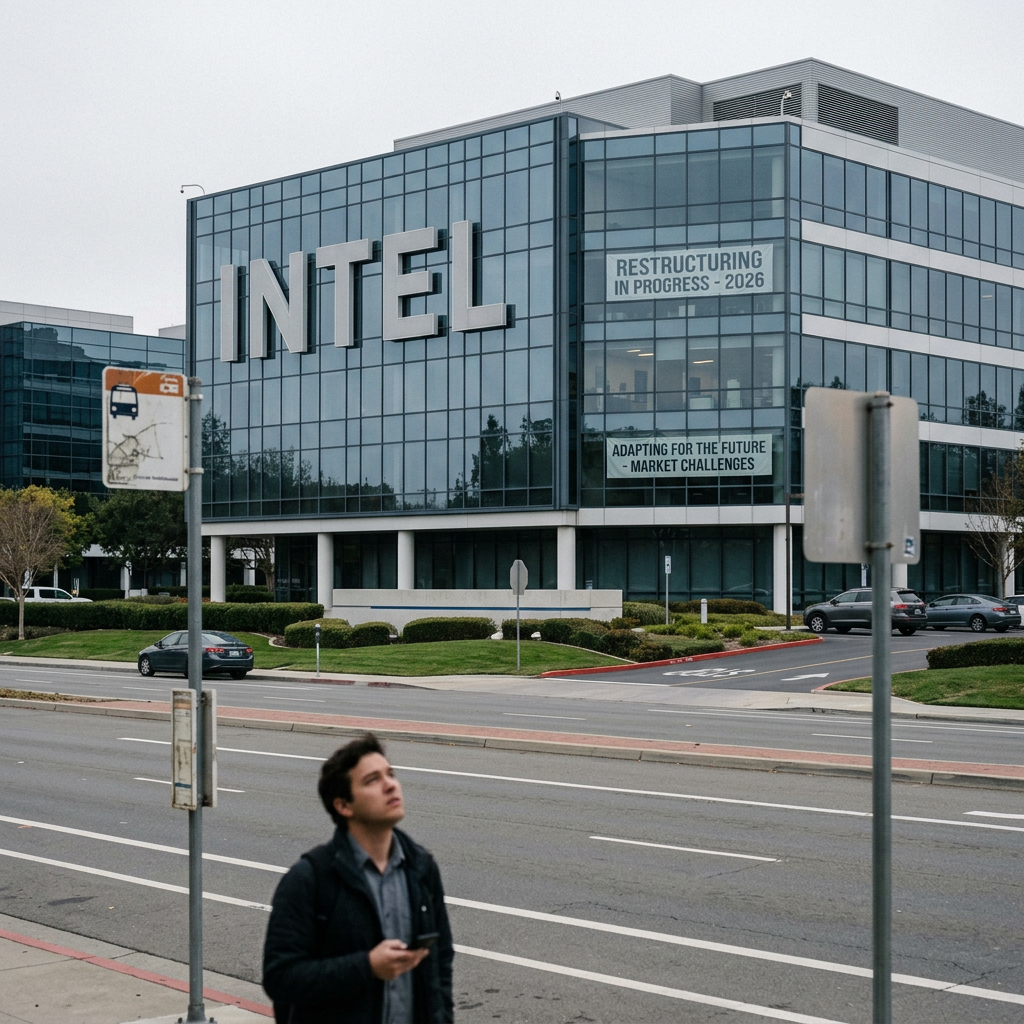
  • Intel late 2026, Why is it retreating?

    Intel late 2026, Why is it retreating?

    Intel’s retreat in late 2026 didn’t happen overnight. The company is facing pressure from faster‑moving competitors, shifting market demands, and a rapidly evolving AI landscape. This article explores what’s driving the slowdown, why it matters, and how Intel’s next moves could shape the future of the chip industry.

  • This Week’s Market Pulse: Key Trends Investors Should Watch

    This Week’s Market Pulse: Key Trends Investors Should Watch

    A quick look at the key market narratives shaping investor sentiment this week—from economic signals and sector movements to emerging trends influencing private equity and public markets. These headlines offer a concise snapshot of what to watch as the week unfolds.

  • Alphabet’s $94 Billion SPCX Bet: What Google’s Giant Position Means After the IPO Fallout

    Alphabet’s $94 Billion SPCX Bet: What Google’s Giant Position Means After the IPO Fallout

    Alphabet’s disclosure of a $94 billion stake in SPCX reveals one of the most strategically significant positions held by any public tech giant. Even after SpaceX’s volatile post‑IPO pullback, Google’s long‑term alignment with SPCX’s AI compute infrastructure, Starlink network, and global data backbone signals a deeper play than short‑term valuation swings. Alphabet isn’t chasing returns…

  • SpaceX’s IPO, a Familiar Story — How much will a $10,000 investment be worth in a year, according to history?

    SpaceX’s IPO, a Familiar Story — How much will a $10,000 investment be worth in a year, according to history?

    SpaceX’s first weeks as a public company have followed a familiar market pattern. After an explosive debut and a surge to $225, the stock has slipped below its opening price, echoing the cooling phase that often follows major IPOs. As a student of markets and history, I see this not as panic but as rhythm…

  • What factors could make Microsoft stock rise after July 29?

    What factors could make Microsoft stock rise after July 29?

    Microsoft’s July 29 earnings could be a true pivot point. If Azure’s 40% surge and the $37B AI run rate continue accelerating, the stock has room for a sharp catch‑up rally — especially with valuation still at 22× earnings and analysts projecting ~41% upside.

Join the Discussion

Leave a Reply

Discover more from Private Equity Lion

Subscribe now to keep reading and get access to the full archive.

Continue reading