Decoding the Secrets of Success: McDs, Aldi, and 7-Eleven

Author:

Published:

Updated On:

Summary

Business models behind the world’s most successful—and challenged—companies. Learn why Aldi’s simple strategy keeps prices low, how 7-Eleven is adopting Japan’s food focus, and what’s driving the 90% customer churn for meal kits like HelloFresh. Featuring exclusive insights from the CEOs of McDonald’s, Liquid Death, and more.

Why Business Models Break and Brands Break Through (2025 Edition)

The Aldi Anomaly

The grocery industry’s most compelling success story belongs to Aldi, which continues to be one of the cheapest and fastest-growing grocery stores in the U.S.

This anomaly is no accident; it is the result of a meticulously efficient business model. Aldi strips away expensive layers—shunning brand variety for private labels (up to 90% of its inventory), displaying products directly in shipping boxes to save on labor, and even relying on the quarter-deposit cart system to keep staff costs low. This low-friction, no-frills approach allows the German retailer to consistently undercut competitors like Walmart and Kroger, fueling its aggressive expansion and capturing the loyalty of price-conscious American consumers.

The 7-Eleven Japanese Redefinition

Across the convenience landscape, 7-Eleven is embarking on a dramatic reinvention, specifically targeting the Japanese model that has made its sister stores globally famous.

For decades, U.S. 7-Elevens have relied on high-margin sales of gasoline and cigarettes. However, with those revenues declining, the parent company, Seven & i Holdings, is pivoting to a food-first strategy. The goal is to elevate the quality of prepared foods—introducing Japanese cult favorites like the egg salad sandwich and fresh onigiri—to replicate the success where fresh food accounts for over 30% of total sales in Japan. This ambitious makeover requires establishing new supply chains to ensure daily fresh deliveries, shifting the U.S. stores from a pit stop mentality to a destination for high-quality, affordable meals.

The Meal Kit Churn Crisis

While some companies soar, others face structural crises. Major meal kit companies like HelloFresh, Home Chef, and Blue Apron famously lose about 90% of their customers within a year.

This high churn rate is rooted in a weak business model centered on heavy discounts and high marketing spend to acquire new users. Once the introductory offers expire, the product’s premium cost, which can be significantly more expensive than supermarket shopping, combined with what analysts call “weak product-market fit,” causes a massive exodus. Meal kit profitability is perpetually challenged by this cycle, forcing them to spend continuously on acquiring customers they struggle to keep.

Maverick Leadership: The Strategy Decoders

The stark contrasts between these operational models—Aldi’s surgical efficiency, 7-Eleven’s pivot, and the meal kit churn—underscore the importance of unique, long-term strategies.

The most successful companies, from stalwarts like McDonald’s and Shake Shack to disruptors like the audaciously branded Liquid Death and the category-defining Athletic Brewing, thrive because their leaders have decoded the deeper economics of their industries. WSJ’s interviews with these CEOs and business leaders uncover the maverick strategies they use to not just compete, but to create and own their respective markets.

The CEO Playbook: Why Aldi is Crushing Groceries, 7-Eleven is Going Japanese, and Meal Kits Face a 90% Churn

Leave us your thoughts in the comment section >>

  • Investing News from 2025 Q3

    Investing News from 2025 Q3

    As Q3 2025 concludes, AI investment experiences unprecedented growth, with global funding hitting $280 billion. Key insights highlight enterprise AI adoption, strategic mergers, and sector-specific surges in healthcare and autonomous systems. Investors should focus on these trends, alongside understanding shifting market dynamics and government support, as they anticipate a robust Q4.

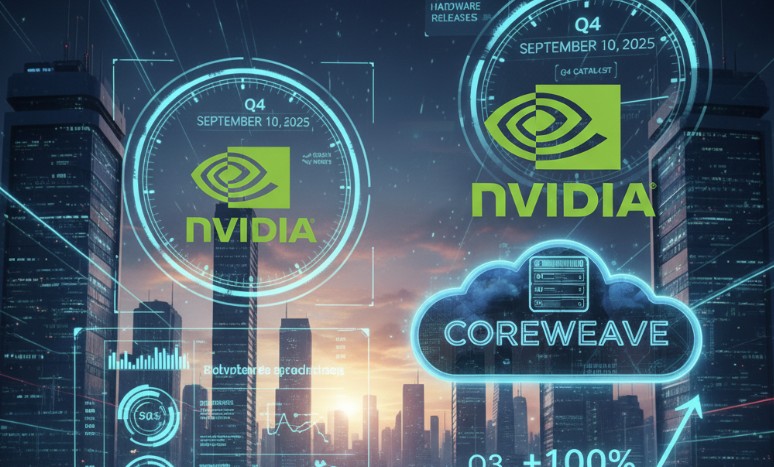
  • This AI Stock Just Soared 120%—And Nvidia Quietly Doubled Down. Is It Too Late to Buy In?

    This AI Stock Just Soared 120%—And Nvidia Quietly Doubled Down. Is It Too Late to Buy In?

    Nvidia has significantly increased its stake in CoreWeave to 91% of its equity portfolio, signaling a strategic move towards vertical integration in AI. CoreWeave’s rapid growth and optimized infrastructure make it a valuable asset amid rising AI demand. However, its unprofitability highlights risks for investors considering this high-potential opportunity.

  • Why Apple’s Lackluster New iPhones Will Still Pay Off

    Why Apple’s Lackluster New iPhones Will Still Pay Off

    The iPhone 17’s launch received mixed reviews due to incremental updates and a higher price. Analysts anticipate a revenue boost from upgrades among users with older models, despite lackluster initial hype. This situation presents potential opportunities for investors, suggesting careful monitoring of consumer adoption and Apple’s innovation trajectory.

  • Top Market Moves Today: Oracle Surge, Apple Upside, and Inflation Watch for Investors

    Top Market Moves Today: Oracle Surge, Apple Upside, and Inflation Watch for Investors

    Stay ahead with today’s market news: Oracle’s 25% stock jump, Apple’s iPhone potential, S&P 500 futures rise, and global highs amid inflation data. Key insights for casual and PE investors on September 10, 2025.

  • From Investment Structures to Tax Strategy

    From Investment Structures to Tax Strategy

    Understanding the tax implications of your real estate investments is crucial for maximizing long-term returns. This article breaks down how different investment structures—Real Estate Investment Groups (REIGs), Real Estate Operating Companies (REOCs), and real estate funds—handle depreciation, pass-through income, capital gains, and dividends, providing the tax knowledge you need for strategic planning.

Join the Discussion

Response

  1. Sara Keelan Avatar

    If Seven & i Holdings spins off its U.S. operations or pursues a North American IPO, this food-first strategy could be the narrative that drives investor enthusiasm. It’s not just about sandwiches—it’s about redefining what convenience retail means in a post-gasoline era.

Leave a Reply

Discover more from Private Equity Lion

Subscribe now to keep reading and get access to the full archive.

Continue reading

Discover more from Private Equity Lion

Subscribe now to keep reading and get access to the full archive.

Continue reading