
War Economics 2026: What U.S.–Iran Tensions Mean for Investors.
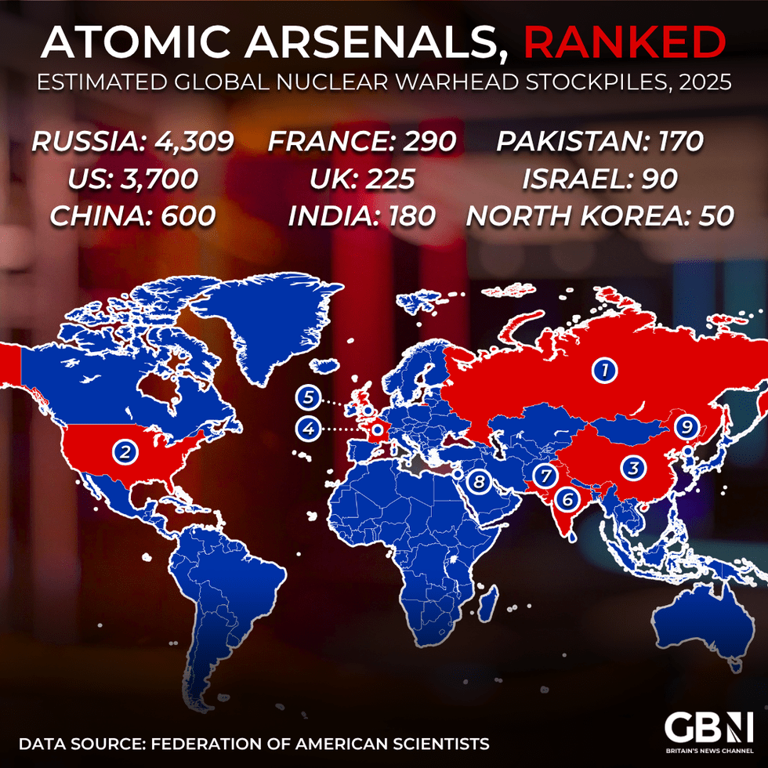
As geopolitical tensions escalate—from Iran declaring it is in a “full‑scale war” with the U.S. and Europe to Russia’s increasingly strained wartime economy—the global investment landscape entering 2026 is defined by uncertainty, energy volatility, and the rising probability of conflict‑driven recessionary pressures. For U.S. investors, the coming year may hinge less on Federal Reserve policy and more on the economic shockwaves of war.
The Geopolitical Trigger Points Heading Into 2026
Iran’s “Full‑Scale War” Declaration
According to reporting from the Daily Mail and AP News, Iranian President Masoud Pezeshkian stated that Iran is now in a “full‑scale war” with the U.S., Israel, and Europe. This declaration follows:
- U.S. strikes on Iranian nuclear facilities
- Iranian missile retaliation
- Rising tensions in the Strait of Hormuz
AP News adds critical context:
- The statement was published on the Supreme Leader’s official website
- Iran compares the current conflict to the Iran–Iraq War, calling it “more complex”
- Nearly 1,100 Iranians and 28 Israelis were killed in recent exchanges
This is not saber‑rattling—it is formal wartime framing from Tehran.
Russia’s War Economy: Stable Enough to Fight, Too Weak to Prosper
The Conversation’s analysis of Russia’s wartime economy reveals a paradox:
- Russia is not collapsing, but
- It is not stable, either
Key findings:
- 76% of Russia’s pre‑war sovereign wealth fund liquid reserves have been spent
- War‑related output surged 60% early in the conflict
- Civilian sectors are hollowing out
- Labor shortages are now structural
- Export controls are degrading Russia’s technological capacity
Russia can continue fighting—but only by borrowing from its future economic health.
Economic Shock Channels for U.S. Investors
1. Oil & Energy Markets
A U.S.–Iran conflict would immediately hit the global economy through the Strait of Hormuz, which handles:
- 20% of global daily petroleum flow
- Over 80% of its shipments destined for Asia
Even partial disruption could push oil above $130/barrel, reigniting inflation.
Investor Impact
1. Energy equities surge.
2. Transportation, airlines, and logistics decline.
3. Inflation hedges (gold, commodities) outperform.
4. Treasury yields fall as investors flee to safety
2. Inflation & Federal Reserve Policy
War‑driven oil spikes would:
- Push U.S. inflation back toward 5–6%
- Force the Fed to delay or reverse rate‑cut plans
- Increase borrowing costs for businesses and consumers
This creates a stagflationary environment—the worst macro backdrop for equities.
3. Equity Market Volatility
Historical precedent (Iraq, Gulf War, Ukraine) shows:
- Markets sell off sharply during the escalation phase
- Defense, energy, and cybersecurity outperform
- Tech and consumer discretionary weaken
- Volatility (VIX) spikes
Goldman Sachs’ 2026 outlook already warns of “hot valuations” and elevated volatility. War would amplify this.
4. Supply Chain Disruptions
Iran and Russia both sit on critical global trade routes:
- Hormuz chokepoint
- Black Sea shipping lanes
- Eurasian rail corridors
War would increase shipping costs, slow global manufacturing, and raise prices for goods. This hits U.S. retailers, importers, and manufacturers.
Scenario Analysis for 2026
| Scenario | Description | Investor Impact |
|---|---|---|
| Limited Conflict | Contained strikes, no Hormuz closure | Moderate inflation, energy up, equities volatile |
| Full‑Scale | U.S.–Iran War Hormuz disrupted, oil > $130 | Recession risk, Fed tightening, equities down 15–25% |
| Russia Escalation | Increased mobilization, sanctions tightening | Higher commodity prices, global slowdown |
| Dual‑Front Conflict | Iran + Russia escalation | Severe global recession, safe‑haven assets dominate |
Strategic Positioning for U.S. Investors
Sectors Likely to Outperform
- Energy (XLE)
- Defense & Aerospace (ITA, RTX, LMT, NOC)
- Cybersecurity (CIBR, PANW, FTNT)
- Gold & Precious Metals (GLD, GDX)
Sectors Likely to Underperform
- Airlines
- Retail
- Consumer discretionary
- High‑growth tech (rate‑sensitive)
Portfolio Considerations
- Increase exposure to hard assets
- Reduce duration risk in bonds
- Add inflation‑protected securities
- Maintain higher cash reserves
- Consider barbell strategies (defensive + opportunistic growth)
Sources
- Daily Mail. (2025, December 27). Iran’s president says country is in “full‑scale war” with US, Israel and Europe as nuclear tensions escalate. https://www.dailymail.co.uk/news/article-15416625/Iran-declares-war-US-Israel-Europe-nuclear.html
- Associated Press. (2025). Iran’s president says his country is in a full-scale war with the West. https://apnews.com/article/iran-president-war-west-trump-netanyahu-2ef7a55988b80813f6913c8c1835322b
- Tokbolat, Y. (2025). Russia’s war economy is not collapsing, but neither is it stable. The Conversation. https://theconversation.com/russias-war-economy-is-not-collapsing-but-neither-is-it-stable-271700
- Vanguard. (2025). Vanguard releases 2026 economic and market outlook. https://corporate.vanguard.com/content/corporatesite/us/en/corp/who-we-are/pressroom/press-release-vanguard-releases-2026-economic-and-market-outlook-121025.html
- Goldman Sachs. (2025). 2026 Outlooks. https://www.goldmansachs.com/insights/outlooks/2026-outlooks


Leave a Reply