
This article explores the complex interplay between trade deficits, stock market volatility, and the private equity investment landscape. We examine how trade policies impact domestic industries, investor sentiment, and the opportunities and challenges for private equity firms.
As an economist, I’m constantly observing the intricate dance between trade, markets, and the broader economy. The recent focus on trade deficits has sparked a renewed interest in their impact on everything from stock prices to the fortunes of private equity firms. In this piece, we’ll unravel the complexities of this relationship, examining how shifts in trade balances can ripple through the financial markets and present both challenges and opportunities for investors.
For the Investor: Navigating the Trade Deficit Landscape
- Domestic Manufacturing Boom: The shift towards domestic production presents opportunities for investment in companies that are expanding their manufacturing capabilities within the United States. This could include investments in companies involved in automation, robotics, and advanced manufacturing technologies.
- Supply Chain Resilience: Investing in companies that are building more resilient and diversified supply chains, reducing their reliance on imports, can mitigate the risks associated with trade disruptions and geopolitical uncertainty.
- Technological Innovation: Investing in companies that are developing and deploying innovative technologies to improve domestic manufacturing efficiency and competitiveness can offer significant long-term growth potential. These could include companies involved in artificial intelligence, advanced materials, and renewable energy.
Trade Deficits and the Pursuit of Domestic Production
A trade deficit occurs when a nation imports more goods and services than it exports. While not inherently detrimental, a persistent trade deficit can have significant implications.
Shifting Demand
As tariffs increase the cost of imported goods, consumers and businesses may shift their demand towards domestically produced alternatives.
This can provide a boost to domestic industries, potentially creating new jobs and spurring economic growth.
Trade Deficits: Impact on Stock Market
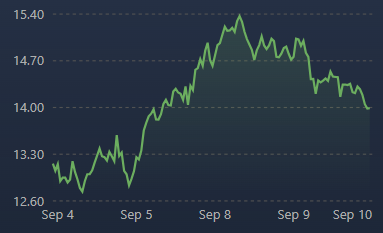
The announcement of new tariffs often triggers market volatility. Investors react to the uncertainty surrounding the potential impact on corporate profits, economic growth, and the risk of retaliatory measures from trading partners.
This can lead to significant stock market declines, particularly in sectors heavily reliant on imports or exports.
Navigating the Landscape for Private Equity
For private equity investors, the shifting trade landscape presents both challenges and opportunities.
Challenges:
- Increased Costs: Tariffs can increase the costs of raw materials, labor, and other inputs for portfolio companies, impacting their profitability.
- Supply Chain Disruptions: Trade tensions can disrupt global supply chains, leading to production delays and increased uncertainty.
- Market Volatility: Increased market volatility due to trade uncertainty can create challenges for portfolio company valuations and exit strategies.
Opportunities:
- Investment in Domestic Companies: The shift towards domestic production can create opportunities for private equity firms to invest in companies that benefit from increased domestic demand.
- Reshoring and Onshoring: Private equity firms can capitalize on the trend of companies reshoring or onshoring production, investing in companies that are expanding domestic manufacturing capabilities.
- Technological Innovation: Investments in companies developing innovative technologies that can improve domestic manufacturing efficiency and competitiveness can offer significant growth potential.
Conclusion
The interplay between trade deficits, stock market fluctuations, and the private equity landscape is complex and multifaceted.
While trade policies can present challenges, they also create new opportunities for investors who can identify and capitalize on emerging trends.
By carefully analyzing the evolving trade landscape and adapting their investment strategies accordingly, private equity firms can navigate these challenges and continue to generate attractive returns for their investors.
Sources:




Leave a Reply