New Social Security Rule Slashes Monthly Payments for Overpaid Beneficiaries

Author:

Published:

Updated On:

Summary

The federal government has implemented a 50% clawback rate on Social Security—meaning half of a beneficiary’s monthly payment can now be withheld if they’ve received excess funds.

A sweeping policy change enacted on July 24, 2025 is shaking up Social Security for more than a million recipients. In an article by Sean Williams of the Motley Fool, it’s argued this move raises urgent questions about fairness, legal protections, and economic resilience.

Here’s a quick summary of the key points from the article:

Social Security Garnishment Begins

  • Start Date: July 24
  • Impact: Over 1,000,000+ Social Security beneficiaries may be affected
  • Reason: Government is enforcing a 50% clawback rate on Social Security overpayments — a significant jump from previous policy under the Biden administration

Need Help? Free Medicare Agent will Help with Questions and Enrollment

Legal Options to Avoid or Reduce Repayment

Beneficiaries who’ve been overpaid can:

  • Request a waiver for repayment
  • File an appeal
  • Offer a compromise or repayment plan

Historical Context

  • Social Security will mark its 90th anniversary next month
  • Originally designed as a safety net for aging workers unable to support themselves

What is the 50% Social Security Clawback?

The 50% clawback rate refers to the government’s decision to withhold half of a Social Security recipient’s monthly payment if they’ve been deemed to have received excess benefits. This is a dramatic change from previous policies, increasing the repayment burden fivefold compared to what was in place under the prior administration.

How does this impact the economic outlook for 2025?

The justification behind the move is rooted in addressing overpayments, which can occur due to delayed reporting of income changes, administrative oversight, or retroactive eligibility reviews. By increasing the recovery rate to 50%, the government is accelerating its ability to reclaim those funds, but the method has sparked concern, especially for beneficiaries reliant on fixed incomes.

Individuals affected by this change are not without options.

They can file for a waiver, asserting that repayment would cause undue financial hardship; they may also appeal the decision altogether, especially if they believe the overpayment was incorrectly calculated or unjustified. In some cases, Social Security may entertain compromises or structured repayment plans that reduce the impact.

The new approach signals a broader shift toward enforcement and accountability in benefits administration but raises important questions about how such policies balance fiscal responsibility with the well-being of vulnerable populations.

Share this article.

Join the Discussion.

All content is for informational and educational purposes only and should not be relied upon for trading or investment decisions.


Discover more from Private Equity Lion

Subscribe to get the latest posts sent to your email.


  • Q4 in View: Five Headlines for Economic Outlook

    Q4 in View: Five Headlines for Economic Outlook

    As Q3 2025 concludes, the U.S. dollar stabilizes amid inflation data and central bank focus. Consumer prices increased 0.4% in August, heightening inflation concerns. The ECB paused rate cuts, while mortgage demand surged to a three-year high. Global family offices are shifting from PE towards public equities, reflecting cautious market sentiment.

  • What happened to SOUN? Two-Day Tumble

    What happened to SOUN? Two-Day Tumble

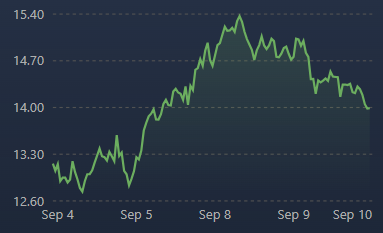
    SoundHound AI’s stock, SOUN, recently ascended from $13 to $15 but experienced a 5% decline following its acquisition of Interactions, which aligns with its strategy. Despite short-term investor concerns, analysts view the acquisition positively, suggesting it may strengthen SOUN’s position in voice AI, making current dips a potential buying opportunity.

  • Investing News from 2025 Q3

    Investing News from 2025 Q3

    As Q3 2025 concludes, AI investment experiences unprecedented growth, with global funding hitting $280 billion. Key insights highlight enterprise AI adoption, strategic mergers, and sector-specific surges in healthcare and autonomous systems. Investors should focus on these trends, alongside understanding shifting market dynamics and government support, as they anticipate a robust Q4.

  • This AI Stock Just Soared 120%—And Nvidia Quietly Doubled Down. Is It Too Late to Buy In?

    This AI Stock Just Soared 120%—And Nvidia Quietly Doubled Down. Is It Too Late to Buy In?

    Nvidia has significantly increased its stake in CoreWeave to 91% of its equity portfolio, signaling a strategic move towards vertical integration in AI. CoreWeave’s rapid growth and optimized infrastructure make it a valuable asset amid rising AI demand. However, its unprofitability highlights risks for investors considering this high-potential opportunity.

  • Why Apple’s Lackluster New iPhones Will Still Pay Off

    Why Apple’s Lackluster New iPhones Will Still Pay Off

    The iPhone 17’s launch received mixed reviews due to incremental updates and a higher price. Analysts anticipate a revenue boost from upgrades among users with older models, despite lackluster initial hype. This situation presents potential opportunities for investors, suggesting careful monitoring of consumer adoption and Apple’s innovation trajectory.

Join the Discussion

Response

  1. Jared Marino Avatar

    Rule of thumb when receiving funds from the government, Never Celebrate Overpayments. Don’t give them back either. Be responsible. Set it aside in a money market account, and wait for the day.

Leave a Reply

Discover more from Private Equity Lion

Subscribe now to keep reading and get access to the full archive.

Continue reading

Discover more from Private Equity Lion

Subscribe now to keep reading and get access to the full archive.

Continue reading