The S&P 500’s Rare Streak: What It Means for Everyday Investors in Early 2026

Author:

Published:

Updated On:

Summary

The S&P 500 is experiencing significant volatility as it enters 2026, marked by high valuations and historical patterns suggesting potential corrections. Investors should prepare for turbulence in the next 90 to 120 days, focusing on diversification, maintaining discipline, and considering long-term growth despite short-term fluctuations in the market.

The U.S. stock market is entering uncharted territory. Three different analyses — from Motley Fool, MSN, and Investing.com’s Sam Boughedda — highlight a convergence of rare historical patterns, elevated valuations, and diverging analyst forecasts. For everyday investors, the next 90 to 120 days could be pivotal.

What This Means for Investors

  • Short‑term (next 90 days): Expect volatility as earnings season kicks in. Pullbacks are common after long streaks.
  • Medium‑term (next 120 days): History suggests a correction or slowdown is likely, though not guaranteed.
  • Long‑term: Every past decline eventually gave way to recovery. Staying diversified and disciplined remains the best strategy.

Crossing the Three Perspectives

1. Valuation Extremes (Motley Fool)

  • The Shiller CAPE ratio has climbed to 39, a level only seen during the dot‑com bubble (2000) and now in 2025.
  • Historically, such peaks have been followed by market declines, raising concerns about an AI‑driven bubble.

2. Historical Rarity (MSN)

  • The S&P 500 is on track for a fourth consecutive year of double‑digit gains — something that has happened only 8 times in the past 100 years.
  • After similar streaks, markets often slowed or corrected in the following year.

3. Analyst Forecasts (Sam Boughedda, Investing.com)

  • 88% of Wall Street firms predict another year of 10%+ returns in 2025, with Oppenheimer forecasting a 20.7% gain.
  • Yet, Boughedda warns against overconfidence, noting analysts have underestimated the S&P 500 in 4 of the past 5 years.
  • Some firms, like BCA Research, even project a –24% decline, citing risks of trade wars and recession.

What to Expect in the Next 90 Days

  • Volatility spikes likely: As earnings season unfolds in Q1 2026, investors should expect sharper swings in tech and AI stocks.
  • Fed policy watch: Rate cuts in 2025 fueled optimism, but any hint of tightening or slower cuts could trigger pullbacks.
  • Rotation potential: Investors may see money shift from mega‑cap AI stocks into undervalued sectors like industrials or consumer staples.

What to Expect in the Next 120 Days

  • Correction risk: By late spring 2026, history suggests the market could cool off or decline, especially if valuations remain stretched.
  • Earnings divergence: Strong AI leaders may continue to post growth, but weaker firms could expose cracks in the “AI boom” narrative.
  • Investor sentiment split: Optimists will point to long‑term AI demand, while skeptics highlight bubble parallels. Expect mixed headlines and heightened uncertainty.

Everyday Investor Takeaways

  • Stay diversified: Don’t chase only AI stocks. Balance portfolios with defensive sectors.
  • Expect turbulence: Prepare mentally for short‑term corrections — they’re normal after rare streaks.
  • Think long‑term: History shows markets always recover. Quality companies held through downturns tend to outperform.
  • Use discipline: Avoid emotional trading. Stick to dollar‑cost averaging or systematic investing strategies.

Bottom Line

The next 90 to 120 days will likely bring volatility, possible corrections, and sector rotations. While history warns of pullbacks after rare streaks and high valuations, strong fundamentals in AI and tech suggest the long‑term story remains intact. Everyday investors should brace for turbulence but stay focused on quality, diversification, and patience.

Share this article.

Join the Discussion.

All content is for informational and educational purposes only and should not be relied upon for trading or investment decisions.


Discover more from Private Equity Lion

Subscribe to get the latest posts sent to your email.


  • Intel late 2026, Why is it retreating?

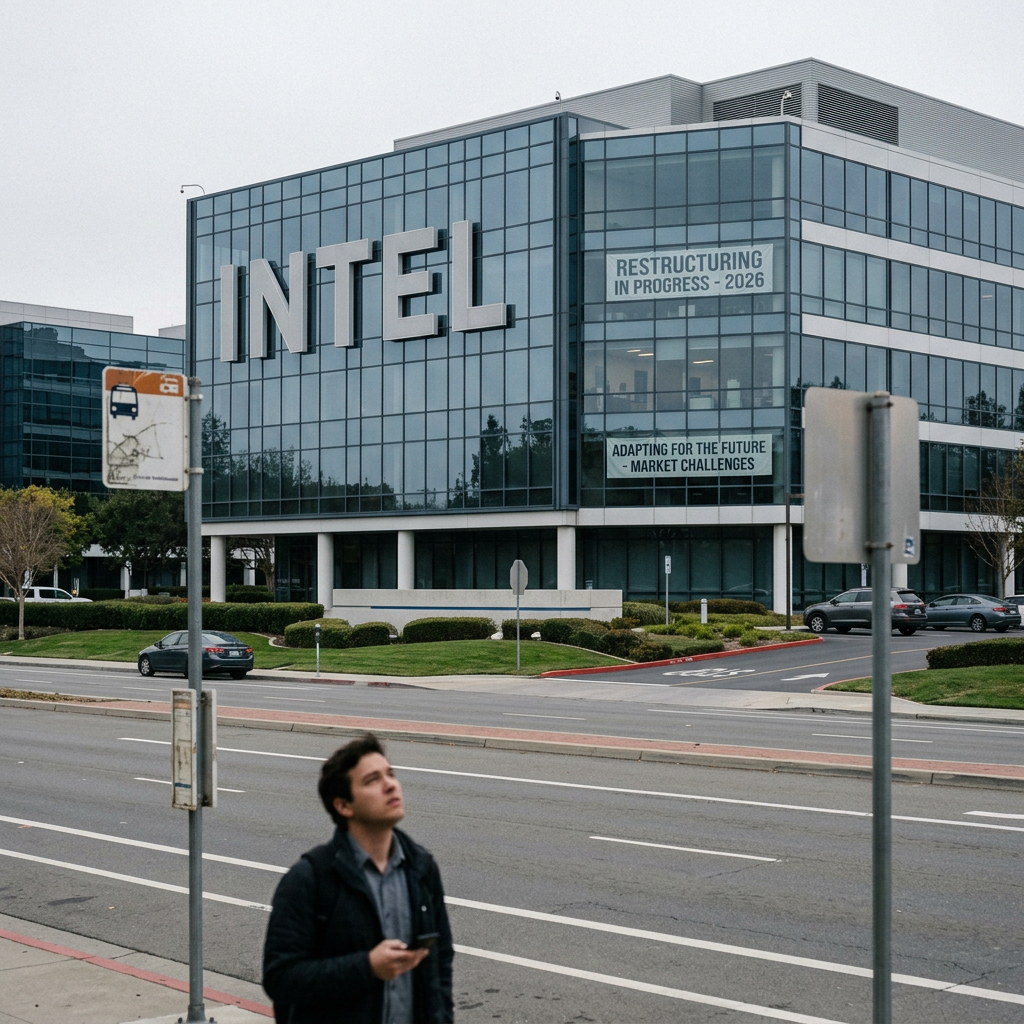
    Intel late 2026, Why is it retreating?

    Intel’s retreat in late 2026 didn’t happen overnight. The company is facing pressure from faster‑moving competitors, shifting market demands, and a rapidly evolving AI landscape. This article explores what’s driving the slowdown, why it matters, and how Intel’s next moves could shape the future of the chip industry.

  • This Week’s Market Pulse: Key Trends Investors Should Watch

    This Week’s Market Pulse: Key Trends Investors Should Watch

    A quick look at the key market narratives shaping investor sentiment this week—from economic signals and sector movements to emerging trends influencing private equity and public markets. These headlines offer a concise snapshot of what to watch as the week unfolds.

  • Alphabet’s $94 Billion SPCX Bet: What Google’s Giant Position Means After the IPO Fallout

    Alphabet’s $94 Billion SPCX Bet: What Google’s Giant Position Means After the IPO Fallout

    Alphabet’s disclosure of a $94 billion stake in SPCX reveals one of the most strategically significant positions held by any public tech giant. Even after SpaceX’s volatile post‑IPO pullback, Google’s long‑term alignment with SPCX’s AI compute infrastructure, Starlink network, and global data backbone signals a deeper play than short‑term valuation swings. Alphabet isn’t chasing returns…

  • SpaceX’s IPO, a Familiar Story — How much will a $10,000 investment be worth in a year, according to history?

    SpaceX’s IPO, a Familiar Story — How much will a $10,000 investment be worth in a year, according to history?

    SpaceX’s first weeks as a public company have followed a familiar market pattern. After an explosive debut and a surge to $225, the stock has slipped below its opening price, echoing the cooling phase that often follows major IPOs. As a student of markets and history, I see this not as panic but as rhythm…

  • What factors could make Microsoft stock rise after July 29?

    What factors could make Microsoft stock rise after July 29?

    Microsoft’s July 29 earnings could be a true pivot point. If Azure’s 40% surge and the $37B AI run rate continue accelerating, the stock has room for a sharp catch‑up rally — especially with valuation still at 22× earnings and analysts projecting ~41% upside.

Join the Discussion

Leave a Reply

Discover more from Private Equity Lion

Subscribe now to keep reading and get access to the full archive.

Continue reading

Discover more from Private Equity Lion

Subscribe now to keep reading and get access to the full archive.

Continue reading